The 19th Slovenian Social Science Conference Successfully Concluded in Ljubljana: A Significant Contribution to the Development of Science and International Collaboration
- June 10, 2026
- Bojana Rauker
- 0
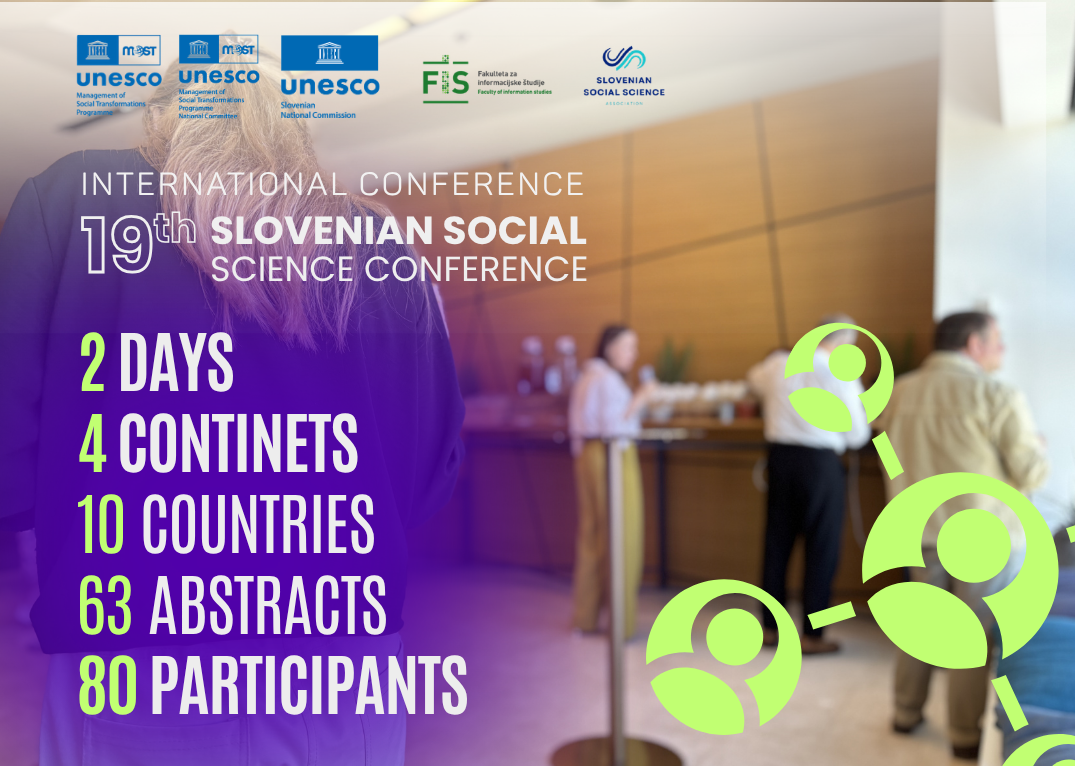
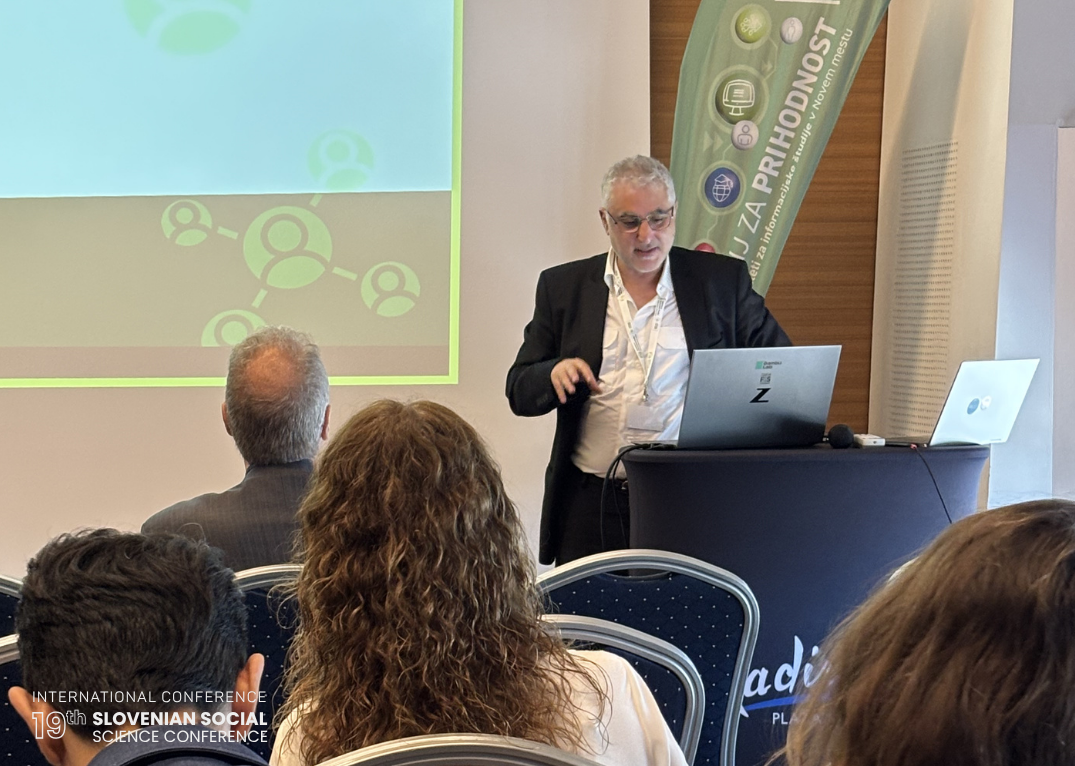
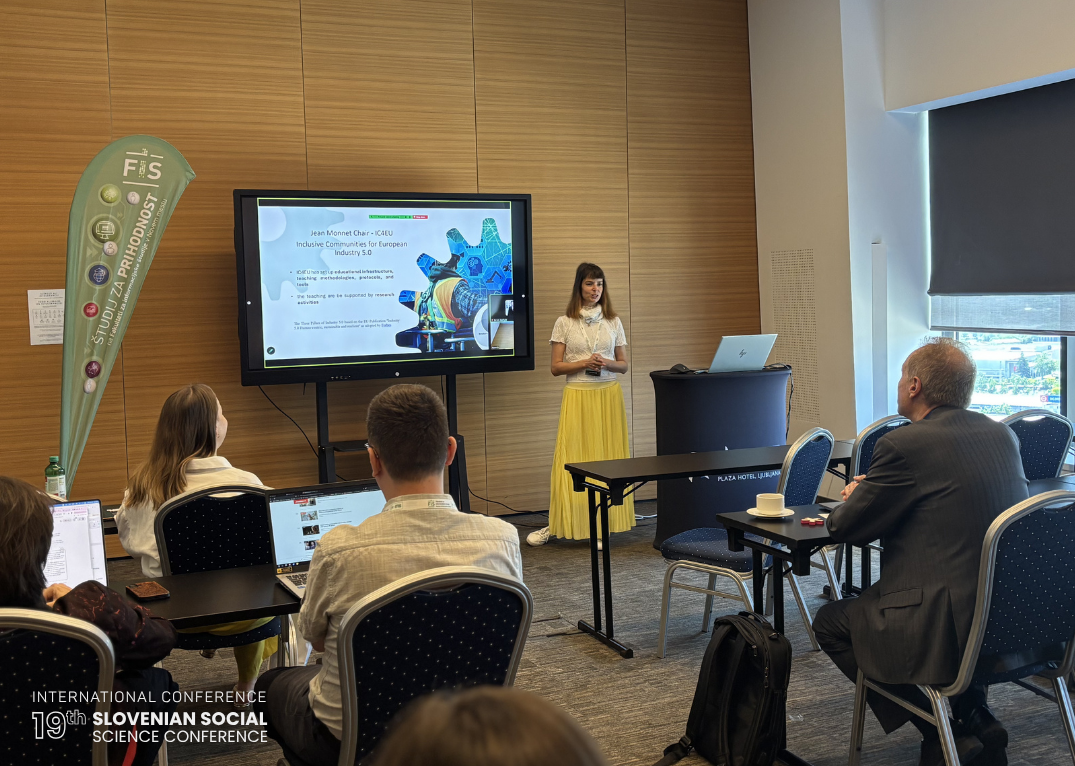
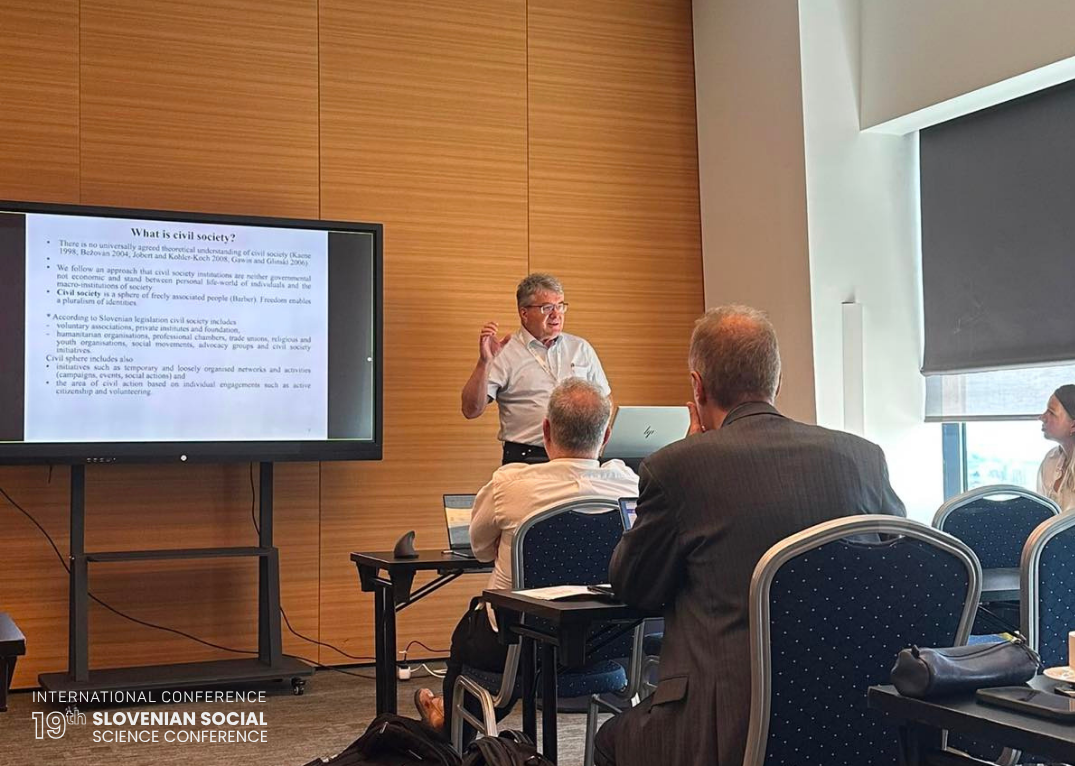
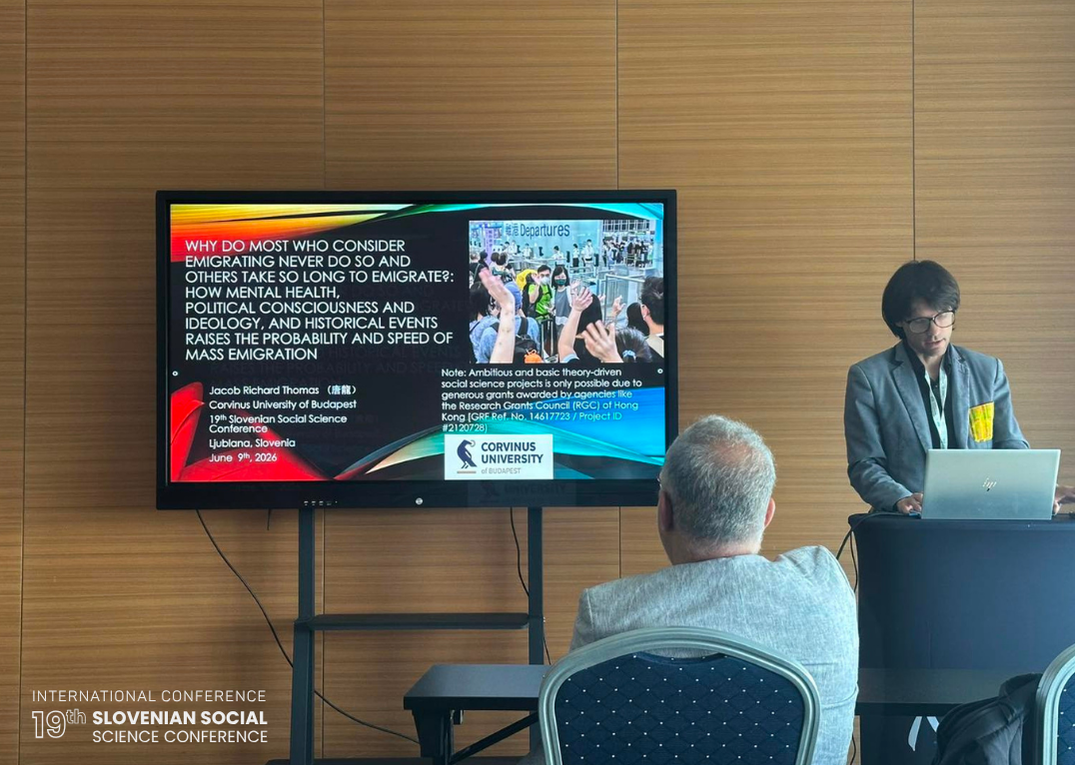
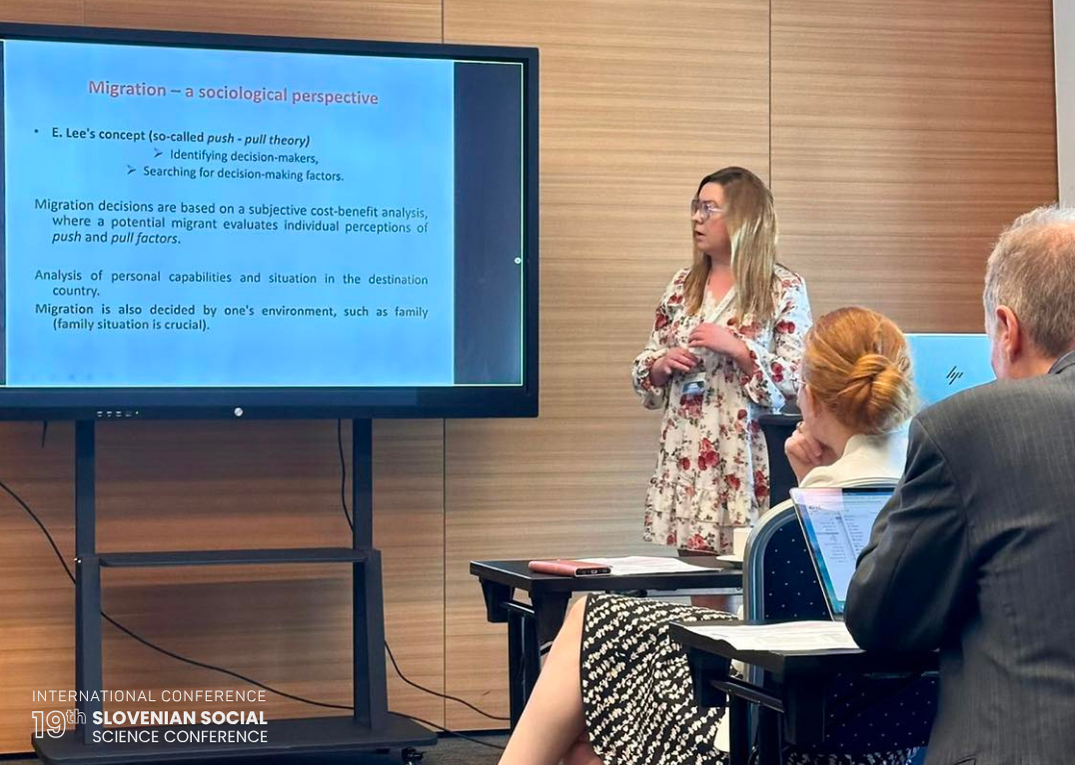
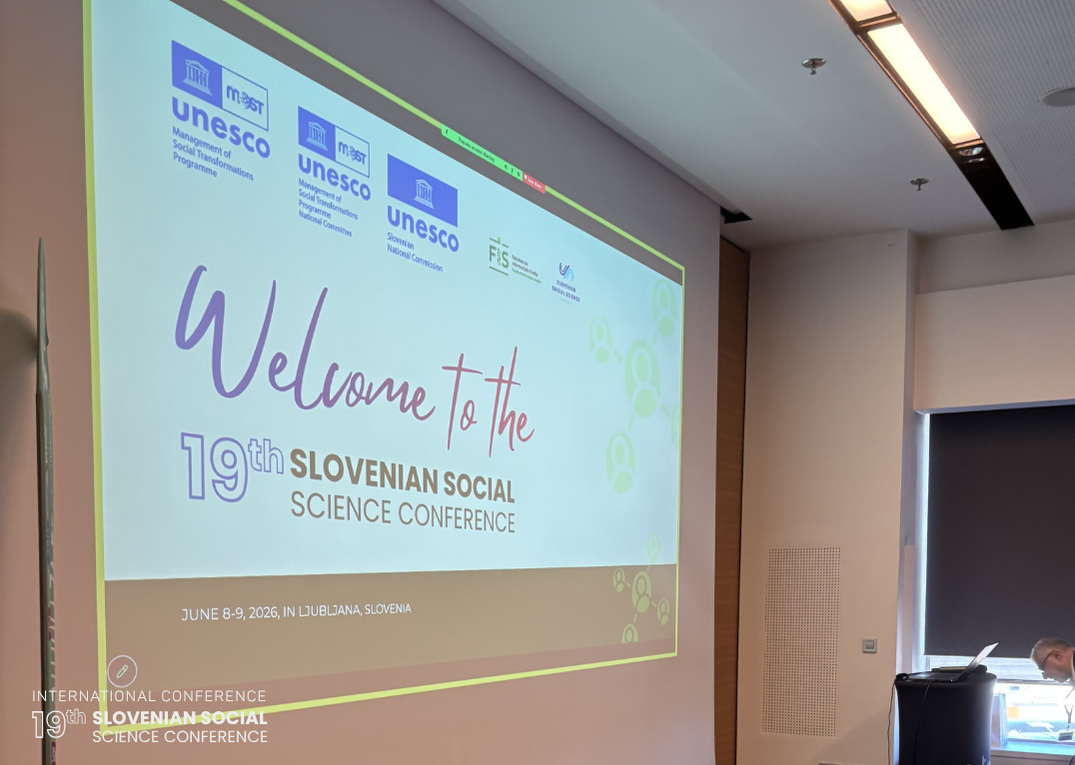
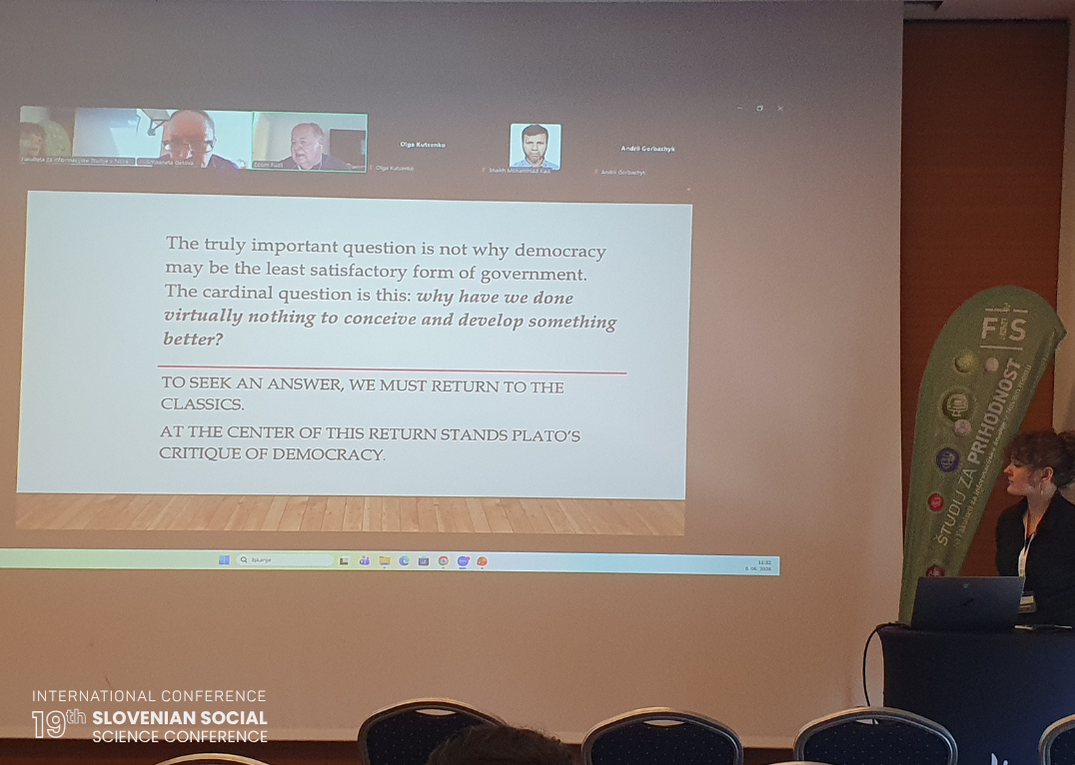
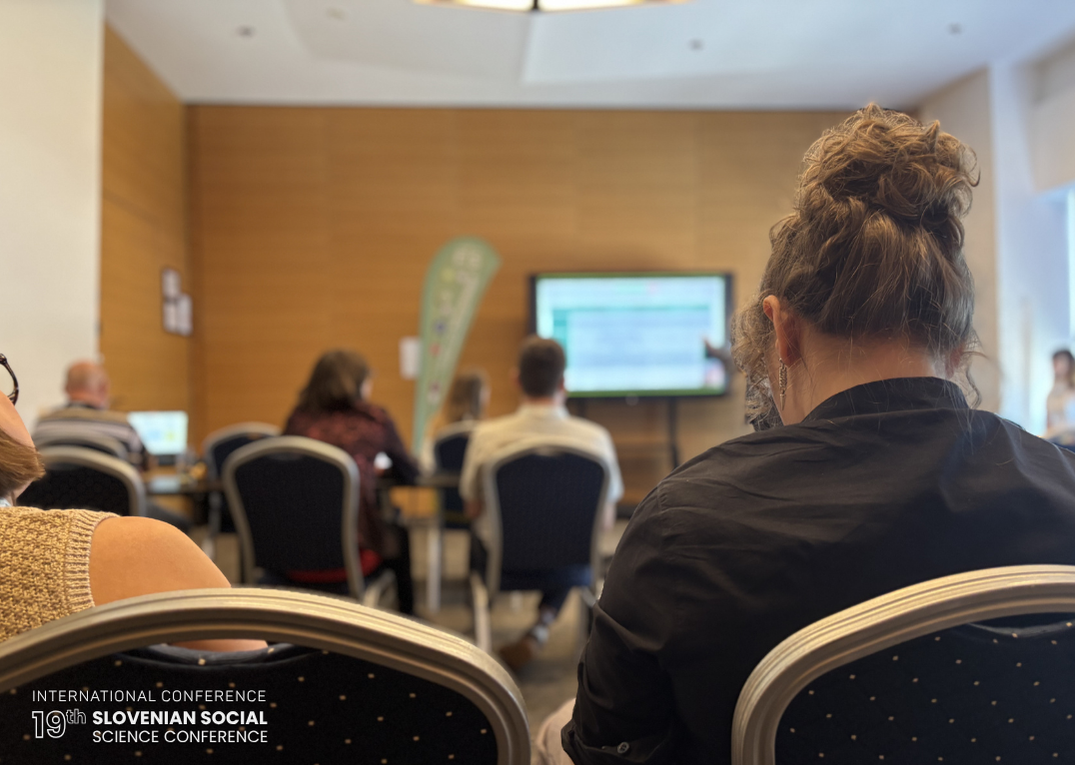
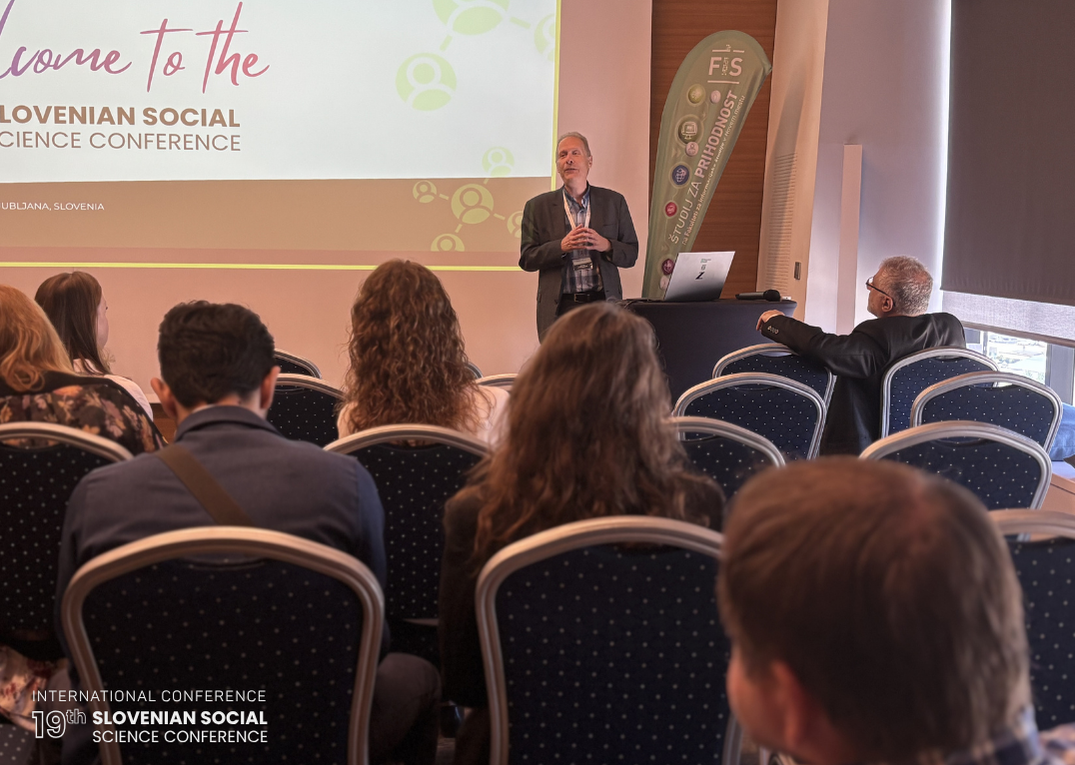
Ljubljana, June 10, 2026 – The 19th Slovenian Social Sciences Conference, titled “Dialogues on Social Transformations in a Divided and Diverging World,” brought together domestic and international researchers, university professors, experts, and representatives of various institutions in the field of social sciences on Monday and Tuesday.
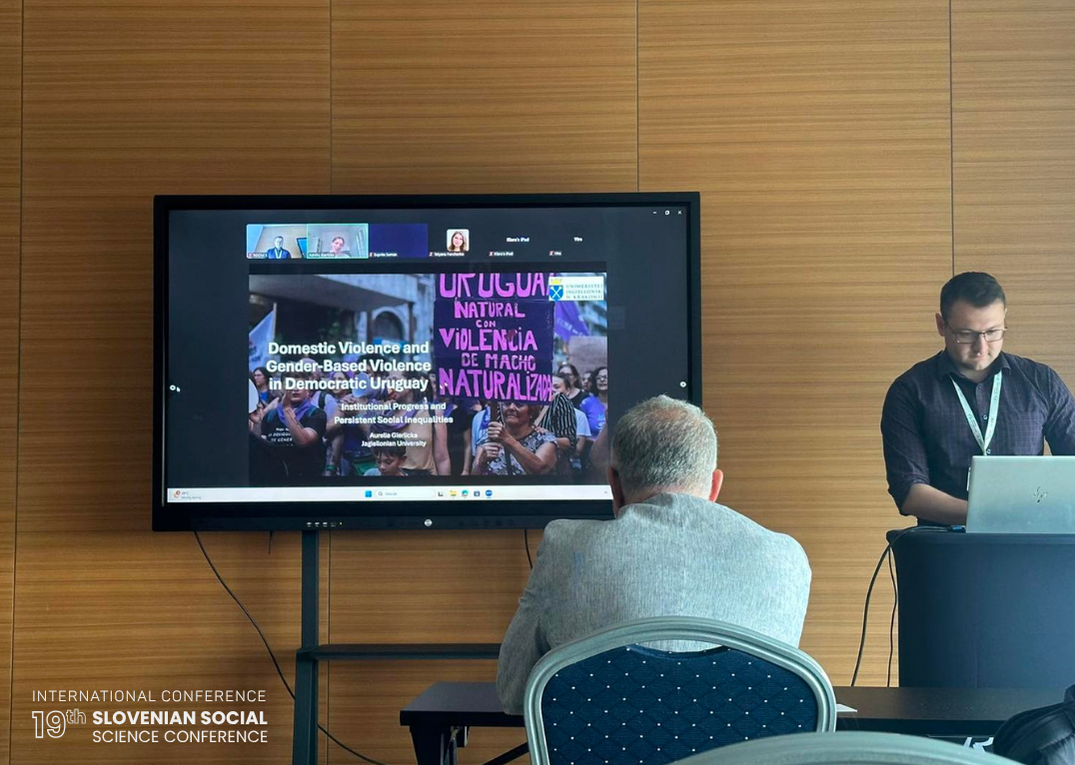
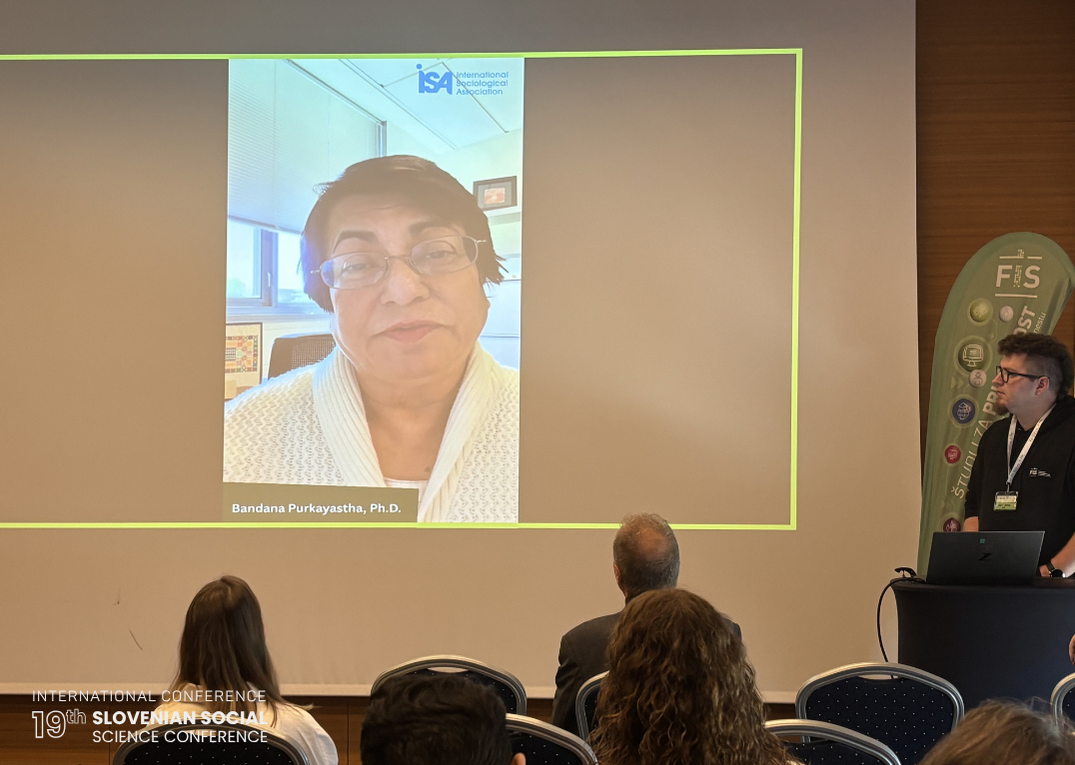
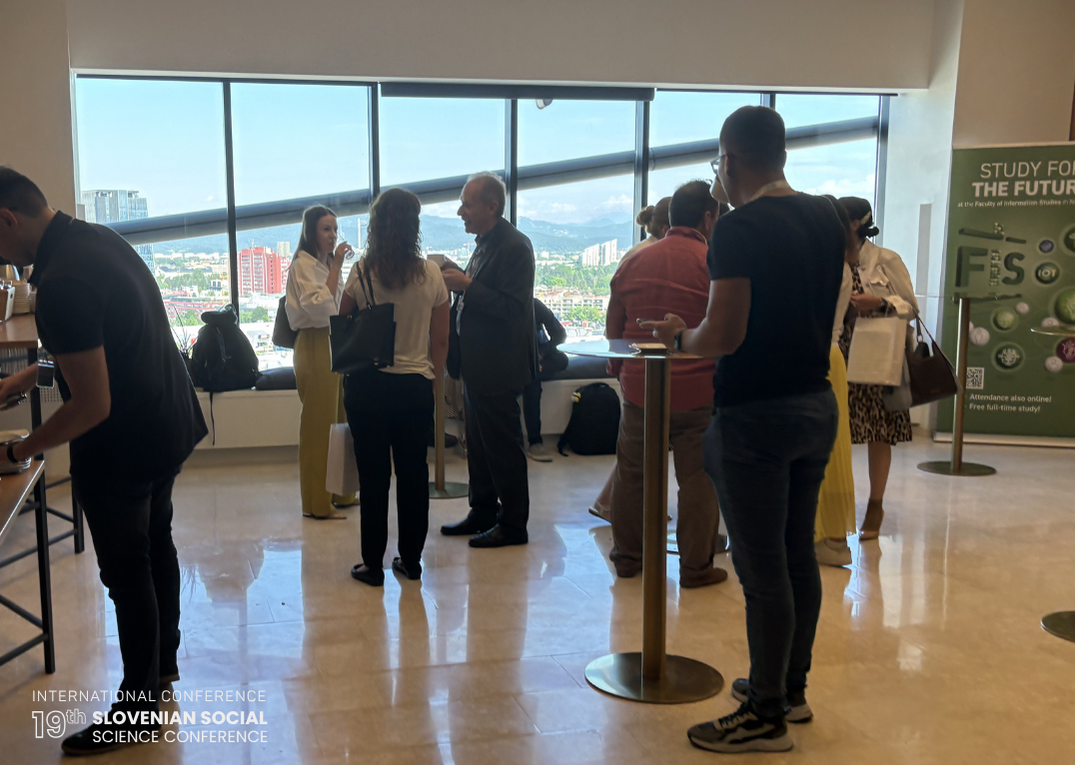
The conference is the flagship annual international event of UNESCO’s National Committee for the Management of Social Transformations (MOST) Program. Starting this year, the event is hosted by MOST and co-organised by the Faculty of Information Studies in Novo Mesto (FIS) in collaboration with the Slovenian Social Science Association. The event was attended by 80 participants from 18 countries and 4 continents, who contributed their scientific and professional insights both in person and online. The event was marked by discussions on the key social challenges of our time and the role of science in understanding and responding to complex global changes.
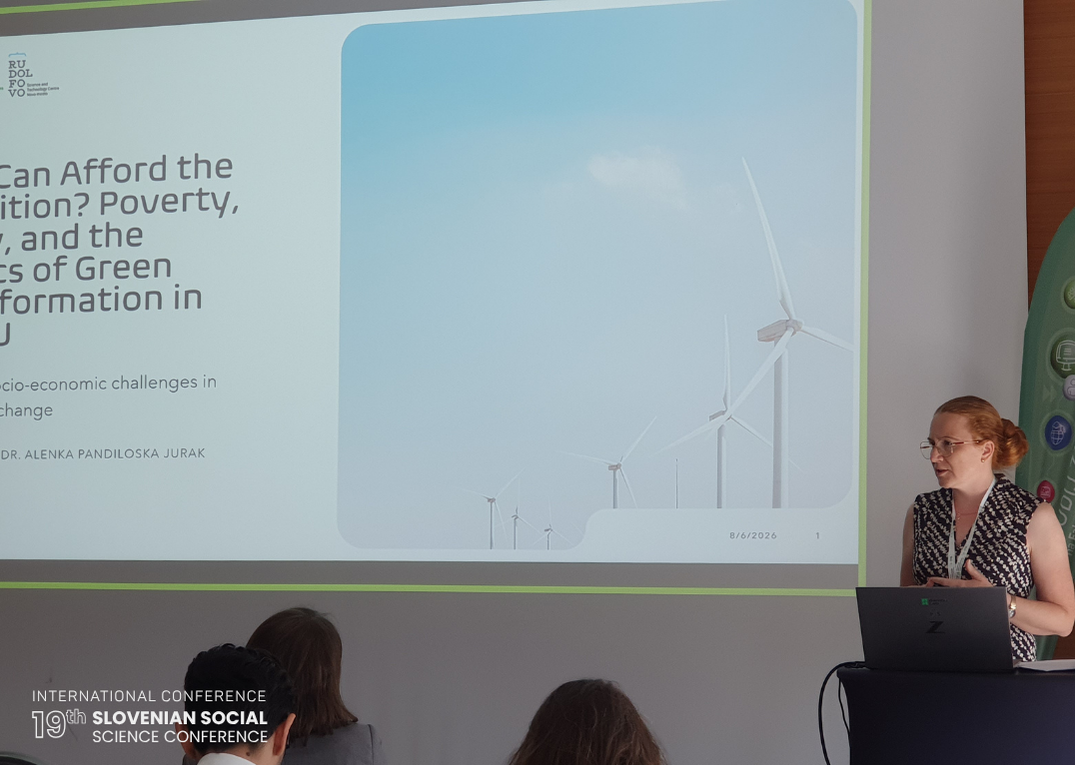
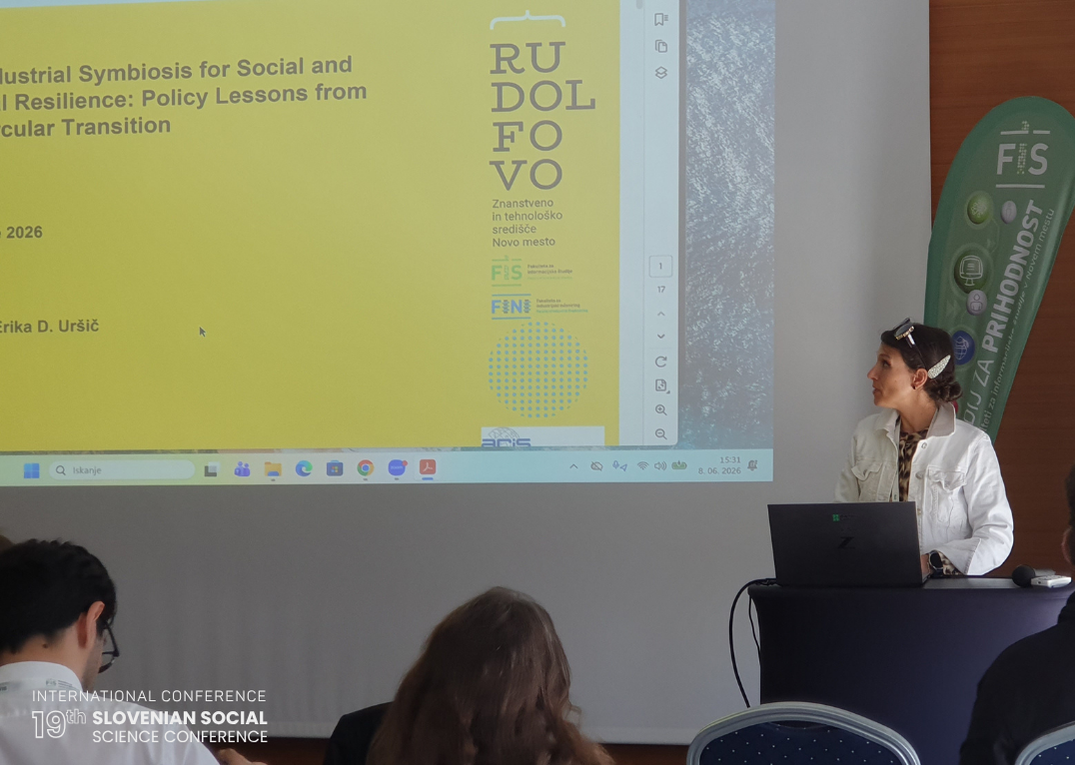
During the two-day program, participants addressed several pressing issues, including social and political polarisation, rising inequality, sustainable development, the impact of digitalisation and artificial intelligence on society, and broader changes in the global social and political landscape. Particular emphasis was placed on finding solutions and strengthening dialogue between the scientific community, policymakers, and the general public.
Among the keynote speakers at the conference was Professor Sari Hanafi of the American University of Beirut, former president of the International Sociological Association (ISA), who, in his lecture, shed light on the current crises of liberalism and the importance of dialogue in shaping future social models.
Prof. Dr Janez Povh, acting rector of the new public University of Novo Mesto, also addressed the participants, highlighting the importance of social science research in the age of artificial intelligence. He emphasised the need to integrate technological development with an understanding of social processes and invited participants to attend the 20th anniversary Slovenian Social Sciences Conference, which will be hosted next year by the new public University of Novo mesto.
The organisers emphasised that social transformations require thoughtful, inclusive, and research-based approaches in which the social sciences play a key role. As Prof. Dr Matej Makarovič, Dean of FIS and Chair of the MOST National Committee at UNESCO, pointed out: “The conference underscores the importance of interdisciplinary and international collaboration in understanding contemporary social changes. As a co-organiser, FIS is thereby continuing its commitment to promoting research excellence and strengthening its role in the European and global scientific community. At the same time, as an educational and research institution, we complement the National Committee of the MOST Program perfectly, which, within the framework of UNESCO, is committed to ensuring the practical application of scientific and research findings in the management of social change. That is why it is essential to connect the research community with civil society and policymakers.”
The conference thus served as an important forum for the exchange of scientific knowledge, international networking among researchers, and the strengthening of interdisciplinary collaboration. As an academic co-organiser, FIS continuously contributes to the development and implementation of international scientific events in the field of social sciences, thereby strengthening its role in connecting researchers and promoting scientific dialogue, as confirmed by the Vice Dean for Scientific and Research Work at FIS, Assoc. Prof. Dr Maruša Gorišek, who emphasises: “Scientific and research work is one of the faculty’s key priorities, and scientific conferences are an exceptional opportunity to present research achievements and foster dialogue among researchers and other interested individuals in the broader international community. We are pleased that, in addition to the traditional ITIS conference, FIS also organised a social sciences conference this year, which confirms our interdisciplinary orientation and further opens up space for collaboration beyond thematic and geographical boundaries. The conference highlights important social problems and challenges, and we are pleased that it also presented potential solutions and ideas for a better world.”
The event concluded with discussions on future research directions and the role of the social sciences in understanding and responding to rapid technological, environmental, and political changes; the organisers have already announced the 20th anniversary conference in 2027 and expressed their hope that participants will meet again on that occasion as well.